
Jul 13, 2020 - Foods
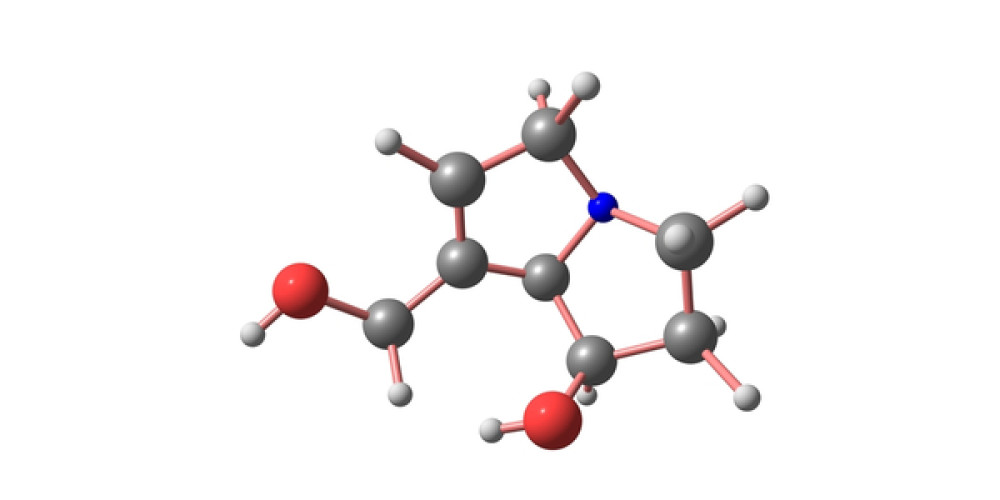
Draft regulation on maximum levels for pyrrolizidine alkaloids adopted
The Standing Committee, a working group from the EU Commission and member states, has adopted the draft regulation to establish maximum levels for pyrrolizidine alkaloids (PA) in foodstuffs.
The initiative now sets maximum levels for tea, flavored teas, herbal teas, plant-based dietary supplements (NEM), pollen-based NEM, pollen and pollen products, dried herbs, cumin, and borage (fresh or frozen). It is important to note the footnote (**), according to which stricter national regulations may also apply to PA plants. For example, some member states have banned the use of borage as a food (e.g., Belgium), while borage is a traditional food in other EU member states (e.g., Frankfurt Green Sauce in Germany).
Below are some examples of maximum levels of PA in certain food items:
For tea (Camelia sinensis) and flavored tea (Camelia sinensis) (dry product), a maximum level of 150 µg/kg PA is set. For tea, flavored tea, and herbal teas (dry product) for infants and young children, a stricter maximum level of 75 µg/kg PA is specified. For borage, lovage, marjoram, and oregano (dried) and mixtures consisting exclusively of these dried herbs, a maximum level of 1000 µg/kg and for cumin (seed spice) a maximum level of 400 µg/kg PA will apply.
The sell-off period for already manufactured goods has been extended in advance from 6 to 18 months. The new regulation is scheduled to take effect on July 1, 2022. Therefore, already manufactured goods can be marketed until December 1, 2023.
In our Tentamus laboratories, we regularly conduct tests for pyrrolizidine alkaloids (PA). We deliver fast and reliable results.
For inquiries, our customer service representatives are happy to assist you.
Sources:
Food Federation Germany e. V., www.lebensmittelverband.de