
According to the Federal Institute for Risk Assessment, the content of pyrrolizidine alkaloids in dried herbs is too high
Sep 10, 2019 - Foods
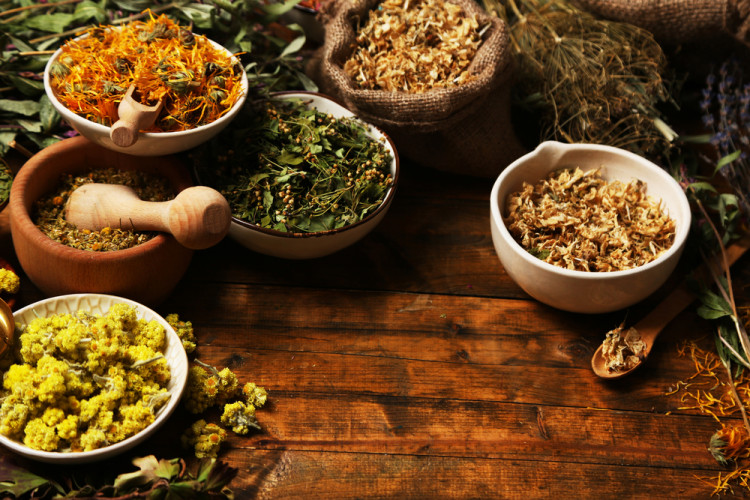
According to the Federal Institute for Risk Assessment, the content of pyrrolizidine alkaloids in dried herbs is too high
On 13.05.2019, the Federal Institute for Risk Assessment (BfR) published a new statement on pyrrolizidine alkaloids (PA) in dried herbs. These are natural plant ingredients that are formed as defense mechanisms against herbivores. Particularly 1,2-unsaturated PAs can be harmful to health and are therefore undesirable in feed and food.
Based on the results determined by the food monitoring authorities, the BfR had already published statements on herbal teas and teas, honey salad mix, and plant-based food supplements (NEM). Now, a statement on various dried and frozen spices and herbs followed.
High levels were found in herbs such as borage (average 14.5 mg/kg), lovage (average 829 µg/kg), oregano, and marjoram (together averaging 942 µg/kg).
Even if the amount of consumed herbs is very low, they do contribute to long-term exposure. As a guideline for assessing the risk of possible non-carcinogenic damage, 0.1 µg PA per kilogram of body weight per day was used. This is a health-based reference value. Thus, with a daily intake of less than 0.1 µg of 1,2-unsaturated PA per kilogram of body weight per day, no liver damage is expected even after long-term exposure.
Our partner laboratories routinely test the pyrrolizidine content in foods. If you have any questions, please contact our customer advisors.
Source: www.bfr.bund.de