
Food surveillance checks hygiene in the handling of pre-cut fruit - risk of microbial contamination e.g. with E.coli, Listeria monocytogenes, and Salmonella
Apr 11, 2022 - Foods
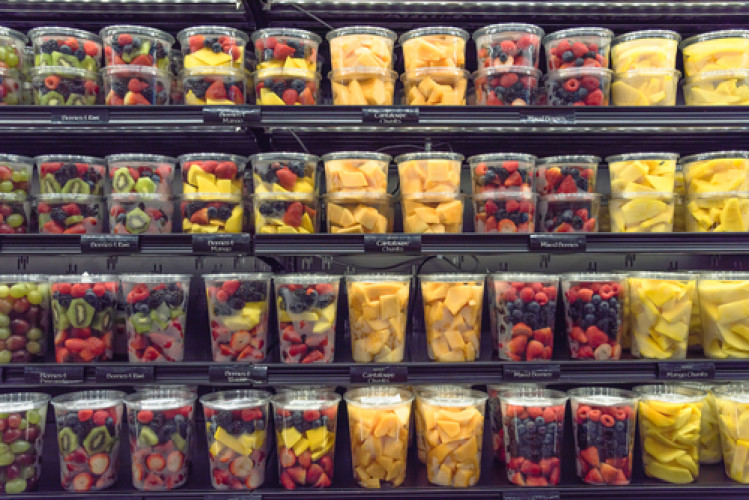
Food surveillance checks hygiene in the handling of pre-cut fruit - risk of microbial contamination e.g. with E.coli, Listeria monocytogenes, and Salmonella
Pre-cut fruit and fruit salad are mostly packed in plastic containers and stored for long periods. Insufficient hygiene measures during production, storage, and distribution can lead to these products being contaminated with bacteria that can multiply quickly.
These processes were checked in 1135 companies through official controls as part of a nationwide monitoring plan. Deviations were found in 25.2% of the inspected products.
Common reasons were:
- Insufficient self-monitoring tests by providers
- Poor hygiene during production
- Inadequate cooling of products
The risk of microbial contamination can be reduced by simple hygiene measures and regular training of employees.
In our profiles, you can learn more about the significance, origin, and potential contamination sources of various bacteria such as E.coli, Listeria monocytogenes, or Salmonella in foodstuffs. Further information and literature can also be found at the Robert Koch Institute (RKI) or the Federal Institute for Risk Assessment (BfR).
In our Tentamus laboratories, we regularly conduct tests for spoilage organisms or pathogenic germs. We also offer training in the areas of operational & personal hygiene as well as HACCP.
Our customer consultants are very happy to assist you with any questions.
Source: QM! Quality and Safety in the Food Industry, Issue 1, March 2022