
Jun 30, 2020 - Foods
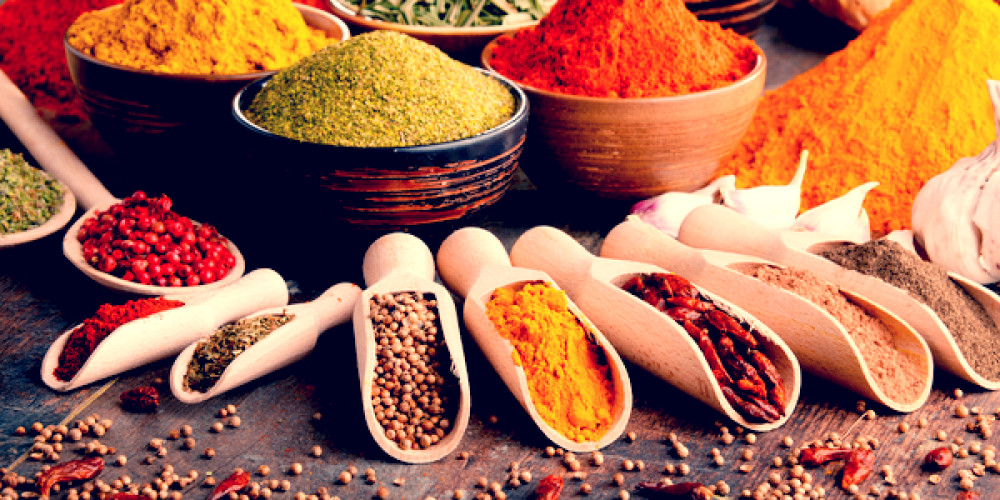
HotItemsinFocus-ChiliPepperAndCoInTheSpotlight
Due to their production process, handling, and storage, spices like chili powder, paprika powder, or paprika seasoning relatively often contain mold toxins, pesticides, or heavy metals. In spices, mold toxins such as aflatoxins or ochratoxin A (OTA) can form during moist or warm storage and insufficient drying. Mycotoxins have been particularly detected in chili powder.
Especially in black pepper, comparatively high levels of lead, aluminum, nickel, chromium, and thallium have been repeatedly found.
Due to these findings, EFSA has announced plans to implement new maximum levels for mold toxins in spices. In the future, there will also be binding maximum levels for heavy metals.
Pesticide residues have also been repeatedly found, especially in popular pungent spices. About 70% of the chili samples examined were contaminated with more than one pesticide.
In our Tentamus laboratories, we regularly conduct tests for heavy metals, pesticides, and mycotoxins. We provide you with fast and reliable results.
Our customer advisors are happy to assist you with any questions you may have.
Source:
BVL Press Release
www.bvl.bund.de