
HygieneissuescausedbyEnterobacteriaincreamdispensers
Aug 21, 2020 - Foods
HygieneissuescausedbyEnterobacteriaincreamdispensers
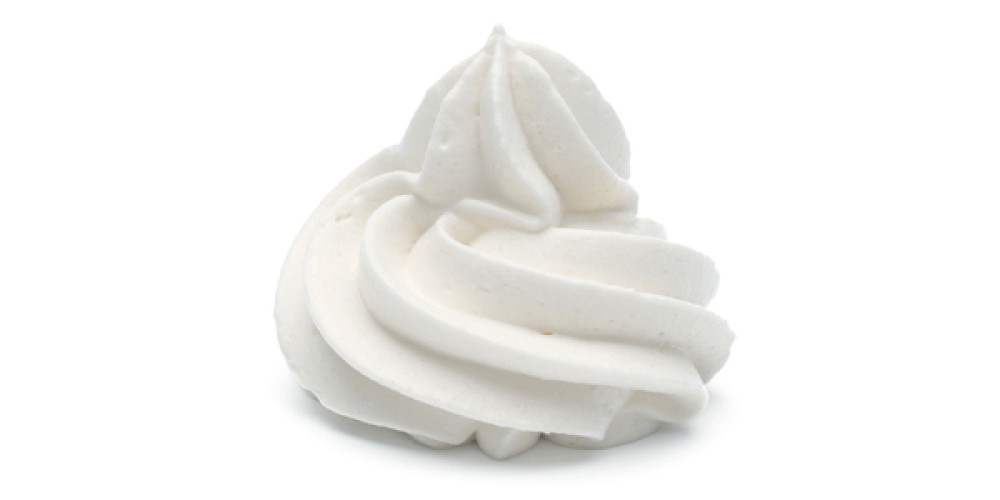
Whipped cream is a popular and indispensable component of desserts, patisserie products, and ice cream creations. Unfortunately, this popular product is also a hygienically and microbiologically perishable food. This is due to the chemical properties of cream that favor the growth of many microorganisms. Only by maintaining hygiene and cooling can good hygienic quality be achieved and growth slowed down. However, it should be noted that whipped cream often contains microorganisms (especially pseudomonads) that can grow even at refrigeration temperatures of +7°C.
Additionally, there is the difficulty that many cream dispensers do not support hygienically impeccable handling, and their pipelines, hoses, sealing rubbers... are sometimes difficult to access and hard to clean and disinfect. This results in high rates of complaints about whipped cream by food surveillance authorities (between 15% and 30%) and negative headlines in the media. Especially the ice café industry is portrayed in a bad light by these annual media reports, damaging its image.
This may even intensify in the coming years due to the publication of investigation results by food surveillance authorities (keyword "hygiene pillory") and may have severe consequences for affected businesses in individual cases. This is the case even though pathogens practically do not play a role in cream samples, and whipped cream has practically not been documented as a cause of foodborne illnesses in Germany for years (see also the annual reports of food surveillance at www.bvl.bund.de and www.bfr.bund.de).
Samples from cream dispensers are particularly often critiqued because they show an increased germ count for enterobacteria. Enterobacteria are so-called hygiene indicators. An increased number of enterobacteria generally indicates a hygiene deficiency. Below are some important notes on the family of enterobacteria.
General Information
Most enterobacteria (Enterobacteriaceae) are widespread in our environment and are regarded as general hygiene indicator germs in many foods. In addition, occurrences in high numbers can lead to spoilage in foods. However, this bacteria family also includes important pathogens such as Salmonella, Yersinia enterocolitica, Shigella, and pathogenic strains of Escherichia coli. Therefore, this bacteria family plays a very important role in food hygiene.
Origin
Many representatives of enterobacteria can regularly be detected in soil, water, and on plants. Furthermore, these bacteria are found in the intestines of humans and animals. Overall, enterobacteria are, however, widely distributed in our environment.
Significance
Due to the widespread distribution of this bacteria family in our environment, a certain number of enterobacteria is tolerated depending on the food. However, specific values should not be exceeded as excessively high germ counts of enterobacteria indicate errors in production. Such cases are mostly referred to as hygiene errors, but the causes can vary depending on the respective food (see the following paragraph).
An excessive number can lead to sensory deviations and in the case of official samples to complaints. Although there are pathogens among the Enterobacteriaceae, such as Salmonella, excessively high values of enterobacteria in most foods do not indicate a health risk for the consumer.
Important Causes for an Excessive Number
- Hygiene errors during production (e.g., contaminated work items, surfaces, and equipment, lack of personal hygiene,...)
- Microbially contaminated raw materials
- Cross-contamination between raw and processed foods
- Insufficient cooling and/or excess storage of food (exceeding shelf life)
In order to improve the microbiological-hygienic status of whipped cream, we would like to provide some recommendations:
- The operating instructions of the cream dispenser manufacturer must be strictly followed
- The cream dispenser must be emptied daily and then cleaned and disinfected (WARNING: pay attention to the operating instructions, correct cleaning and disinfecting agents, dosage, exposure time...)
- Further cleaning and disinfection operations are required depending on the machine type (e.g., the air regulation cycle...)
- Many dispensers recommend continuous cooling even overnight (see respective operating instructions)
- Regular maintenance by a specialist company should be performed (at least once a year) and additionally in the event of malfunctions or repairs, replace wear parts such as sealing rubbers regularly
- The staff must be trained on the aforementioned points and should also observe hand and personal hygiene when working on the cream dispenser
- At least twice a year carry out microbiological examinations of whipped cream in accordance with the hygiene guidelines for good hygiene and HACCP practice, as well as for carrying out microbiological self-control in the artisanal production of non-prepackaged ice cream
In our lab, we regularly conduct these tests. We provide you with fast and reliable results.
For questions, our customer advisors are very pleased to assist you.