
Invisible spoilage in coconuts
Apr 9, 2019 - Foods
Invisible spoilage in coconuts
During the last 3 years, around 70% of the coconut samples collected were rejected. This rate led to increased sampling in 2018, where almost double the amount from 2016 and four times the amount from 2017 were collected. As a pooled sample, at least 3 coconuts were randomly selected and taken at each control site.
The rejections were based on at least one deficient coconut in the pooled sample.
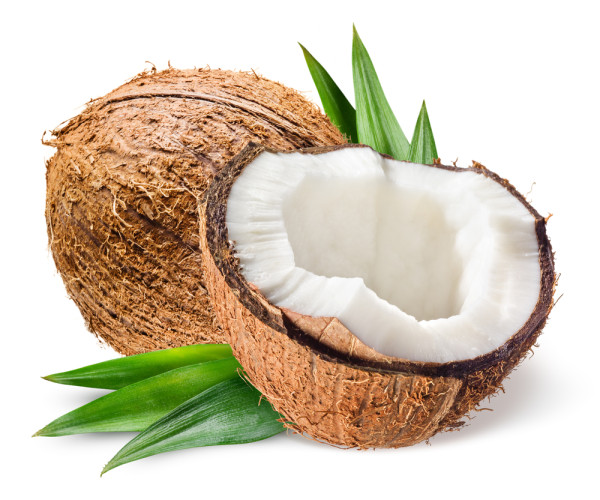
In addition to the defects on the shell (pressure marks and damages), the interior was also evaluated. Considering all this, every third coconut was rated as spoiled and inedible due to both factors. The coconut flesh inside was often entirely or partially moldy, leading to a slimy and greasy consistency.
This was mostly associated with a typical perfumed rancidity, a cloudiness of the coconut water, which was sometimes even smelling musty or soapy.
To assess the freshness of the coconut as a consumer without opening the nut, it should be shaken. If the coconut is full of liquid, this is a sign of freshness. Furthermore, soft or damp spots as well as discolorations on the nut shell should be checked.
In our Tentamus laboratories, we routinely conduct tests for molds and other microorganisms such as enterobacteria and lactic acid bacteria. Additionally, we also routinely perform sensory evaluations. We provide you with fast and reliable results.
Our customer advisors are happy to answer any questions you may have.
Source: CVUA Sigmaringen