
Oregano: Pyrrolizidine Alkaloids, Pesticides, and Adulterations; an Update from CVUA Stuttgart
Mar 31, 2022 - Foods
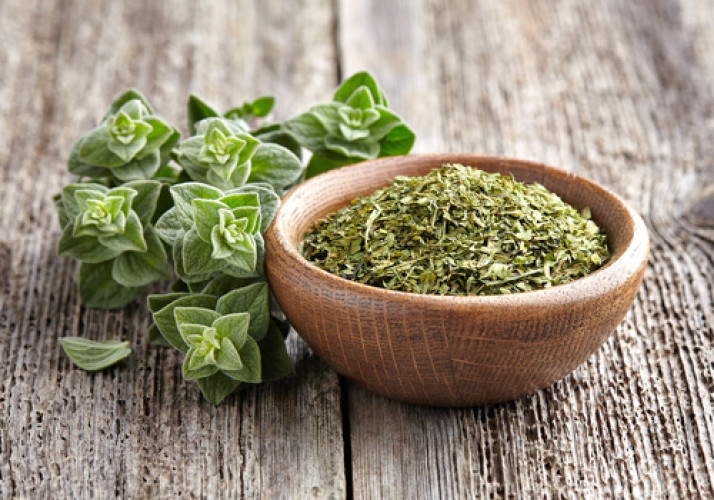
Oregano: Pyrrolizidine Alkaloids, Pesticides, and Adulterations; an Update from CVUA Stuttgart
In its investigations from the year 2019, the CVUA Stuttgart identified several problem areas with crushed oregano. In addition to high levels of health risk pyrrolizidine alkaloids and residues of plant protection products, numerous cases of adulterations with foreign plant material were also detected.
Due to the unsatisfactory situation, further investigations were conducted, and some samples of crushed oregano were also examined in 2021.
A significant improvement in adulterations was observed. While adulterations were detected in about 20% of the cases in 2019, they reduced to 2.5% in 2021.
A significant reduction in the total content of pyrrolizidine alkaloids (PA) was also noted (average PA content in 2019: 6,160 µg/kg; 2021: 1,206 µg/kg). However, a legal maximum level of 1,000 µg/kg will apply to oregano from July 2022, so that overall, about 40% of the samples examined would still be deemed non-marketable due to exceeding the maximum level.
The situation with pesticide residues remains largely unchanged with an above-average complaint rate of 22%. Residues of a total of 24 different pesticide active substances and perchlorate were detectable in all samples (100%). The active substances azoxystrobin and cypermethrin were particularly frequently detected (in 50% of the samples). Additionally, the contaminant perchlorate was detected in all samples.
In our Tentamus laboratories, we regularly conduct tests for pyrrolizidine alkaloids, pesticides, and adulterations. We provide fast and reliable results.
Our customer advisors are happy to assist you with any questions.
Sources:
· CVUA Stuttgart 2019, Oregano – Part I: Pyrrolizidine alkaloids
· CVUA Stuttgart 2019, Oregano – Part II: Pesticides and adulterations