
Dec 11, 2019 - Foods
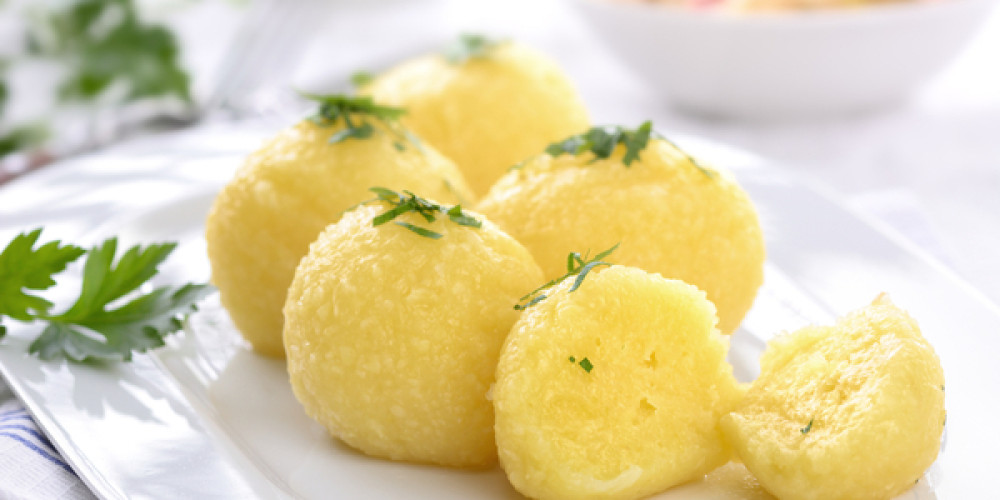
Stiftung Warentest: Potato Dumplings
In the Stiftung Warentest issue of December 2019, a total of 29 products were tested, including pre-shaped dumplings, fresh dumpling dough, and instant products in the form of potato dumplings in cooking bags and dumpling powder for mixing. Three organic products were also included. All potato dumplings consist of raw and cooked potatoes, usually half and half.
The following is a summary of the test parameters:
- Sensory evaluation after preparation but without salt in the cooking water (appearance, smell, taste, texture, and mouthfeel). The instant products were noted for a mushy mouthfeel.
- Microbiological quality:
Fresh dumpling dough and pre-shaped dumplings were examined at the beginning and at the best-before date; the instant products were only microbiologically tested once.
- Nutritional quality:
The energy, fat, salt, and fiber content were evaluated.
- Contaminants:
The potato dumplings were tested for mineral oil components MOSH/MOAH as well as for pesticides and heavy metals. All dumplings received very good or good ratings.
- Packaging:
Handling, information on packaging materials, disposal and recycling instructions were evaluated. Furthermore, the composition of the protective gas atmosphere was examined. - Declaration:
The completeness and correctness of the legally required labeling elements were checked, as well as portion sizes, quantities, preparation and storage instructions, and the readability and clarity of the information. - Other:
The potato dumplings were tested for additives such as total sulfur dioxide and glutamic acid, as well as parameters like arsenic, aluminum, and nitrate. The cooking loss showed no abnormalities, as was the case with the indications "gluten-free" or "lactose-free".
Frequent downgrades or unsatisfactory grades were mainly due to:
- Overall, the potato dumplings performed well; the worst overall rating was "satisfactory". The sensory evaluation had the greatest influence on the overall judgment.
- For one organic product, labeling deficiencies led to a downgrade: the country of origin was not clearly indicated, it was labeled as both non-EU and DE agriculture.
More detailed information on the test series can be found in the Stiftung Warentest journal No. 12/2019.
If you have any questions, our customer advisors will be happy to assist you.
Source: Stiftung Warentest journal No. 12/2019: www.test.de