
Tracing pathogenic microorganisms such as Salmonella in food
Jun 28, 2019 - Foods
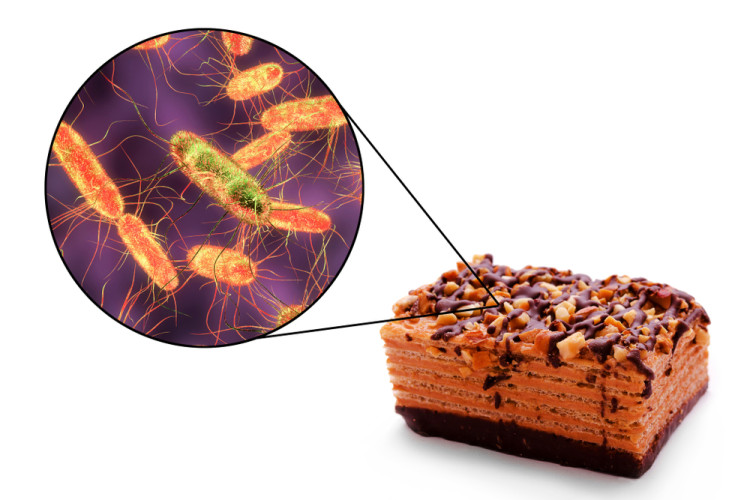
Tracing pathogenic microorganisms such as Salmonella in food
The microbiology departments of the Chemical and Veterinary Investigation Offices of Baden-Württemberg have published their annual report for 2018.
One of the most important tasks of official monitoring is the health safety of food. For this reason, in 2018, a total of 12,582 samples, consisting of planned and suspicion samples (Table 1), were tested for microbiological parameters in the investigation offices. Based on the investigations, 949 planned samples (10.4%) and 756 suspicion samples (21.7%) were found to be non-compliant. Of the non-compliant samples, 25 were classified as harmful to health. In addition, 534 samples (4.2%) were deemed unfit for human consumption due to sensory and/or microbiological findings.
|
Tab. 1: Number of food samples microbiologically tested and found non-compliant in 2018 by the Chemical and Veterinary Investigation Offices |
|||
|
|
Samples, total |
Planned samples |
Suspicion samples |
|
Microbiologically tested foods |
12582 |
9099 |
3483 |
|
thereof non-compliant |
1705 (13.6%) |
949 (10.4%) |
756 (21.7%) |
|
criticized |
653 (5.2%) |
476 (5.2%) |
177 (5.1%) |
|
Reasons for non-compliance: |
|
|
|
|
harmful to health |
25 (0.2%) |
13 (0.1%) |
12 (0.3%) |
|
unfit for consumption |
534 (4.2%) |
87 (1.0%) |
447 (12.8%) |
|
hygiene non-compliance |
876 (7.0%) |
356 (3.9%) |
520 (14.9%) |
|
Other |
835 (6.6%) |
689 (7.6%) |
146 (4.2%) |
In 2018, a total of 1,228 suspicion samples were processed in connection with 293 suspected food-related illnesses in Baden-Württemberg. A comparison of the number of suspected foodborne outbreaks over the last nine years shows a slight downward trend. Whether this is merely a random development will become clear in the coming years. Pathogens of food infections (Listeria monocytogenes, Salmonellae, verotoxin-producing Escherichia coli (VTEC)) or food intoxication pathogens (Bacillus cereus), their harmful toxin (Cereulide toxin), or toxic protein decomposition products (Histamine) produced by microbial spoilage were detected in the 25 samples found to be harmful to health.
Even in 2018, foods of animal origin made up the bulk of health-hazardous samples. However, pathogens were also detected in plant-based foods.
The non-compliant samples included soup seasoning, pumpkin seeds, sesame paste, cucumber salad, as well as various cheeses, tuna meat, onion mettwurst, and minced meat. In 2018, an acute intoxication with Fusarium toxin occurred in pumpkin seed bread as an exceptional case of foodborne illness.
In our Tentamus laboratories, we regularly conduct tests for Listeria monocytogenes, Salmonellae, verotoxin-producing Escherichia coli (VTEC), as well as mycotoxins. We provide you with quick and reliable results.
Our customer advisors are happy to answer your questions.
Source: CVUA Stuttgart