
TransfatsInFoods-EuropeanCommissionDecidesOnMandatoryUpperLimit
Jun 26, 2019 - Foods
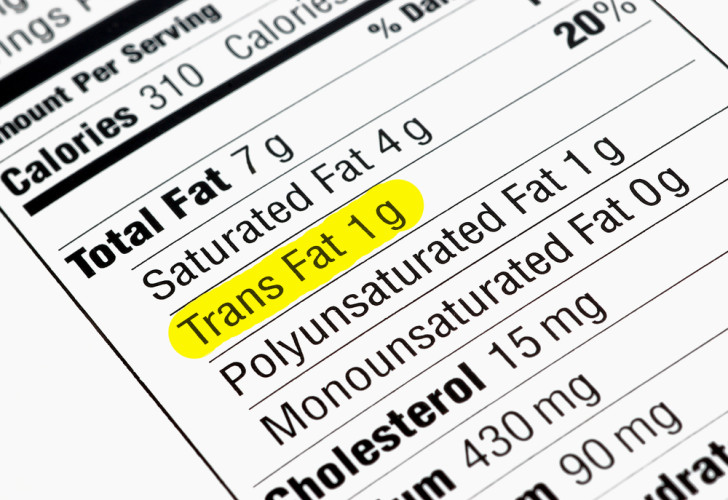
TransfatsInFoods-EuropeanCommissionDecidesOnMandatoryUpperLimit
As of April 2, 2021, only 2 grams of trans fatty acids per 100 grams of fat are allowed in a food product.
This regulation does not apply to animal products like meat and milk, which naturally contain trans fats.
Trans fatty acids are unsaturated fatty acids that can occur during the partial hydrogenation of vegetable oils.
The limit set by the European Commission is aimed at protecting consumers. Various scientific studies, including the assessment by the European Food Safety Authority (EFSA), have shown that the intake of trans fatty acids poses health risks. High intake leads to an increase in LDL cholesterol and a decrease in HDL cholesterol in the blood. For this reason, the consumption of trans fatty acids should be as low as possible.
According to assessments by the World Health Organization (WHO), consumers should not consume more than one percent of their daily energy intake from trans fats.
In our Tentamus laboratories, we regularly conduct tests for trans fatty acids. We provide you with fast and reliable results.
Our customer advisors are available for any questions you may have.
Source: www.food-monitor.de